Introduction: Speed Meets Strategy
If you’ve watched a Formula 1 race, you’ve likely heard commentators mention a driver “using DRS.” But what exactly is DRS, and why does it matter so much? The Drag Reduction System is one of the most important innovations in modern Formula 1, blending engineering brilliance with racing strategy to make overtaking faster and more exciting. Let’s break down how DRS works, when it can be used, and why it’s sometimes controversial.
What is DRS in Formula 1?
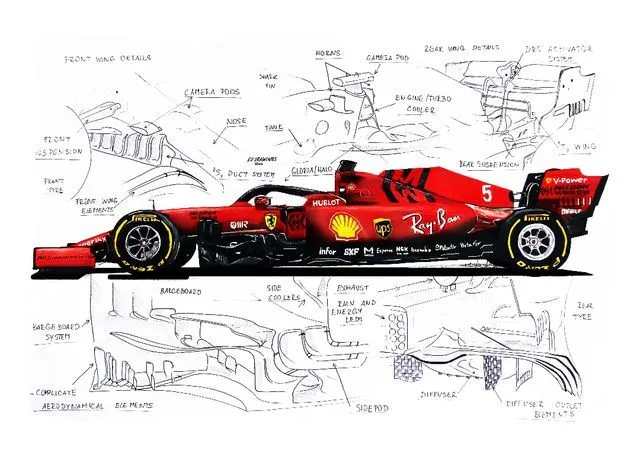
DRS (Drag Reduction System) is a mechanical device that reduces aerodynamic drag on an F1 car to increase its straight-line speed. Introduced in 2011, it helps drivers overtake more easily by reducing the downforce on the rear wing, allowing the car to travel faster on straights.
When DRS is activated, the upper flap of the rear wing opens, letting air flow more freely and reducing drag — giving the driver an extra 10–12 km/h (6–8 mph) speed boost, depending on the circuit.
How and When Can Drivers Use DRS?
DRS can’t be used anywhere or anytime — it’s strictly regulated by the FIA to maintain fairness and safety.
Here’s how it works:
- Activation Zones:
Each track has specific DRS zones, usually on long straights. - Detection Points:
A sensor determines if the chasing driver is within one second of the car ahead at the detection point. - Usage Conditions:
- DRS is only available after the first two laps of the race or safety car restart.
- It cannot be used in wet conditions for safety reasons.
If all conditions are met, the driver can press a button on the steering wheel to activate DRS until they brake for the next corner.
Advantages and Controversies
DRS has made Formula 1 more thrilling by increasing overtaking opportunities, especially on circuits where passing was historically difficult. However, some purists argue it makes overtakes too easy, reducing the skill factor and the art of defensive driving.
Despite debates, DRS remains a crucial part of race strategy — timing its use effectively can mean the difference between a podium finish and missing out on points.
Conclusion: The Future of DRS
As Formula 1 evolves with more aerodynamic and hybrid innovations, DRS continues to play a pivotal role in balancing speed, skill, and strategy. Whether you’re a new fan or a long-time follower, understanding how DRS works in F1 gives you a deeper appreciation of the sport’s mix of science and adrenaline.
About the Author