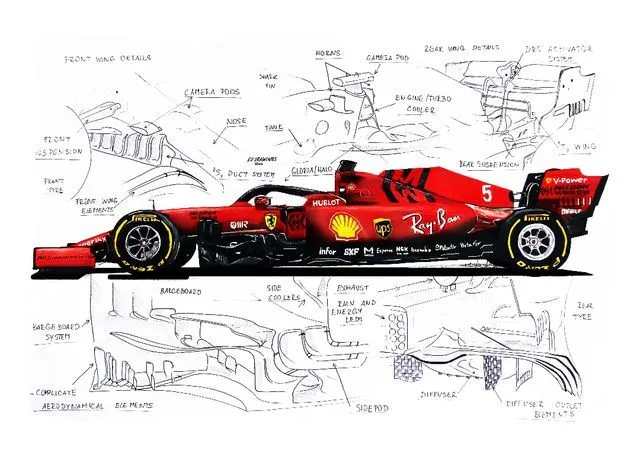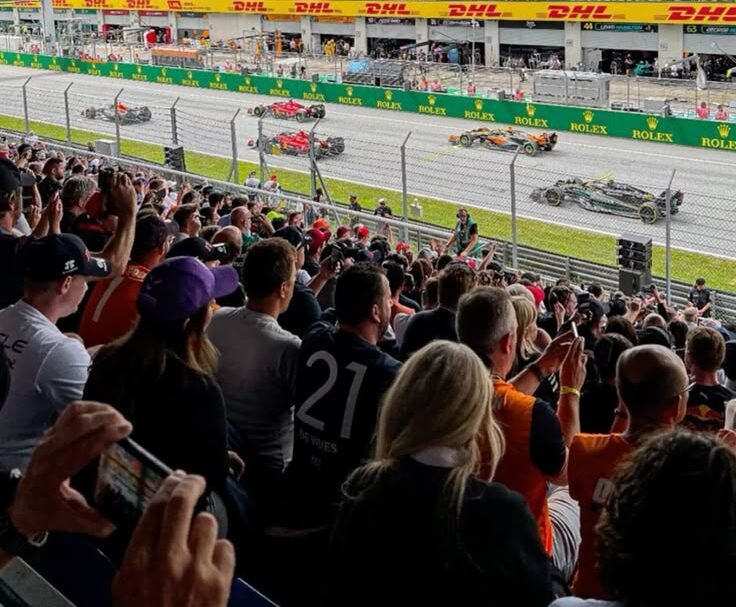
Formula 1 in 2026 stands at a defining crossroads, marking one of the most transformative periods in the sport’s history. With sweeping technical regulations, new manufacturers entering the grid, and an increasingly global fanbase, the current situation of Formula 1 reflects both intense competition and long-term strategic evolution. For fans, teams, and stakeholders alike, this season represents more than just racing—it signals the future direction of motorsport.
One of the biggest talking points in Formula 1 today is the introduction of the new 2026 technical regulations. These rules are designed to make cars lighter, more agile, and more sustainable, while promoting closer racing. The new power unit formula features a 50/50 split between internal combustion and electric power, alongside the use of 100% sustainable fuels. This shift has attracted major automotive brands, reinforcing Formula 1’s commitment to environmental responsibility without sacrificing performance.
The grid itself has undergone significant change. Audi has officially entered Formula 1 as a works team after acquiring Sauber, while Cadillac’s confirmed entry has strengthened the sport’s presence in the United States. Ford’s return to Formula 1 through its partnership with Red Bull Powertrains has further energized the paddock, signaling renewed manufacturer confidence in the sport’s long-term value. These developments are reshaping the competitive landscape and adding fresh intrigue to the championship battle.
On the sporting front, competition remains fierce. Teams like Red Bull, Mercedes, Ferrari, and McLaren continue to push technical boundaries, while midfield squads such as Aston Martin and Alpine aim to disrupt the established order. The driver market has also seen notable movement, with rising young talents gaining opportunities alongside established stars. This blend of experience and youth has injected fresh excitement into race weekends and heightened unpredictability in race outcomes.
Formula 1’s global popularity continues to soar. With a calendar featuring 24 Grands Prix across five continents, the sport has never been more accessible to fans worldwide. The continued success of digital platforms, social media engagement, and behind-the-scenes content has brought new audiences into the Formula 1 ecosystem, particularly among younger viewers. Meanwhile, races in markets such as the United States and the Middle East are drawing record-breaking crowds.
Despite its momentum, Formula 1 faces challenges. Cost control, competitive balance, and regulatory clarity remain ongoing discussions among teams and governing bodies. Ensuring that smaller teams remain financially viable while keeping racing fair and entertaining will be critical to sustaining long-term growth.
In conclusion, the current situation of Formula 1 is defined by innovation, expansion, and intense rivalry. As new regulations take effect and new manufacturers join the grid, the sport is entering a bold new chapter. For fans and followers, Formula 1 has never been more exciting—or more unpredictable.
F1 Official Site Click Here
About the Author