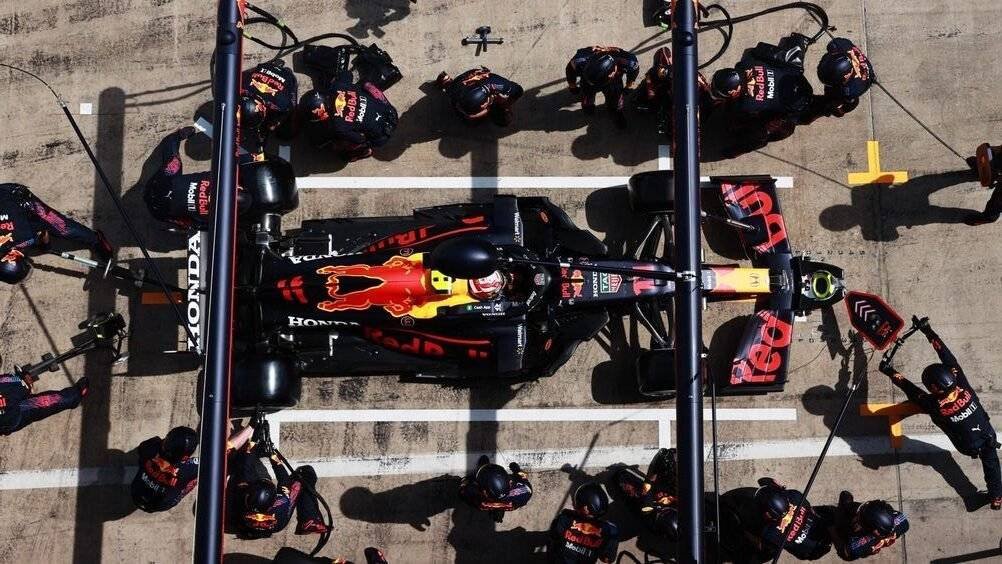
The Italian Grand Prix at Monza always brings excitement, and this year’s race is no different when it comes to strategy and tyre choices.
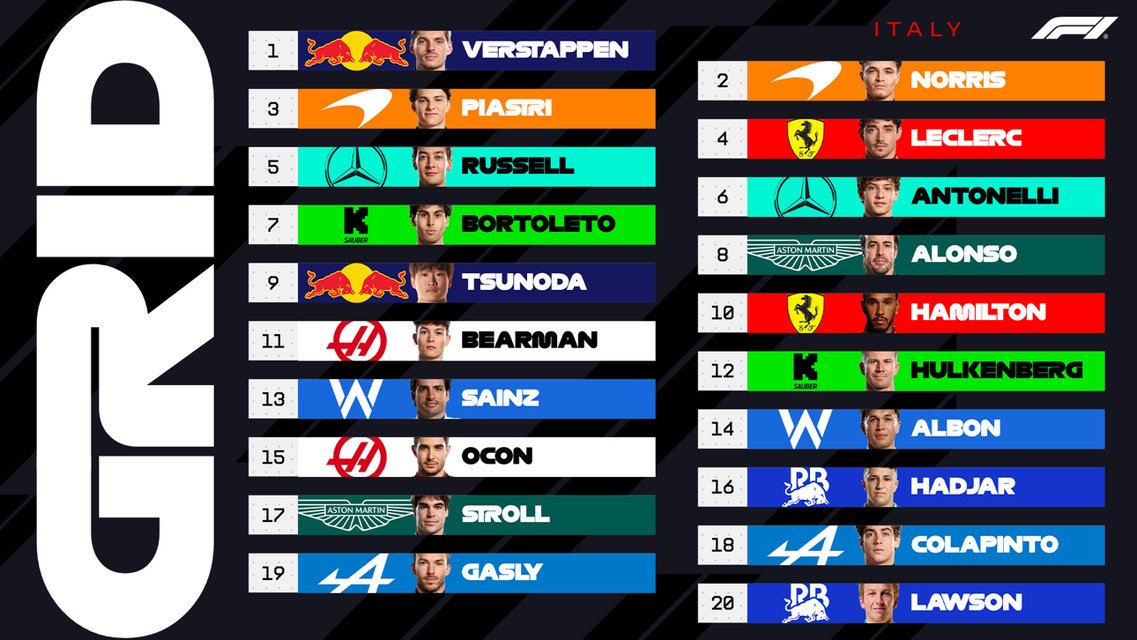
Max Verstappen starts from pole, but it wasn’t easy – he had to deliver the fastest lap in 75 years of Formula 1 to secure it. Right behind him are the McLarens. Considering their streak of five straight wins, not having either car on pole feels a bit underwhelming. Still, their MCL39 isn’t really designed for Monza’s style – it usually shines best when there’s a string of medium-speed corners, and Monza simply doesn’t offer that.
Ferrari, on the other hand, have looked lively on home soil. Charles Leclerc came very close to taking pole, while Lewis Hamilton finds himself on the back foot after his penalty at Zandvoort, which leaves him starting down in P10.
Interestingly, Verstappen himself doesn’t sound entirely sure he’ll be able to stay ahead in the race. His rivals showed strong pace in Friday’s long runs, but Verstappen does have a different tyre allocation compared to the rest – and that could turn into a big advantage if things get messy during the race.
In short, the Temple of Speed has set the stage perfectly: strategy, tyres, and a bit of unpredictability might be the deciding factors this Sunday.
Italian Grand Prix
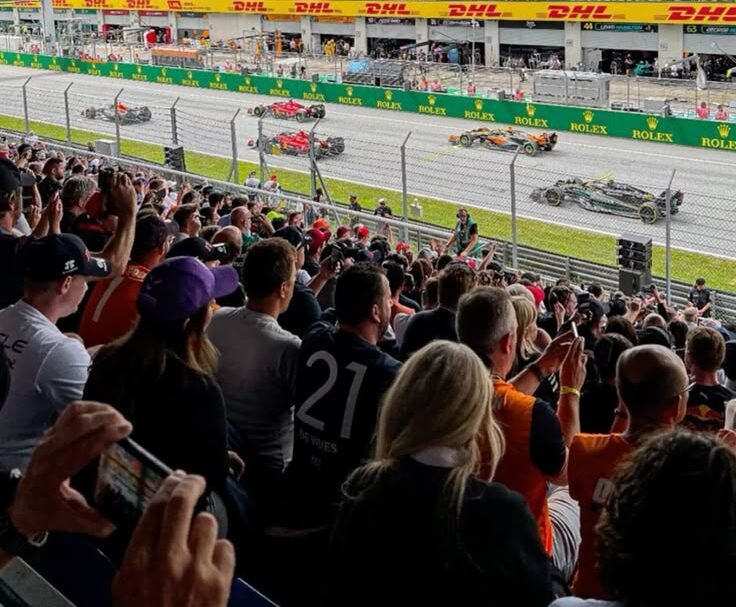
Grid formation plays a crucial role in determining the dynamics of any race. It sets the starting order based on qualifying performance, giving faster drivers a strategic advantage at the front. A strong grid position can help avoid early traffic, collisions, and allow better tire and race management. For teams, it’s the result of precise strategy, timing, and execution during qualifying. Meanwhile, drivers starting further back must rely on overtaking skill and race pace to recover positions. Ultimately, grid formation is where every race’s story begins — shaping battles, strategies, and the drama that unfolds on track.
You can watch the race online on several platforms like F1-tv, India’s official F1 partner “Fancode”
About the Author